

JORI-fabric collection
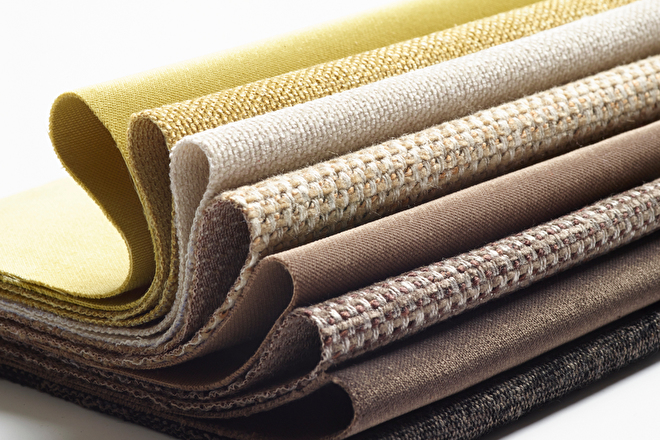
Fabric types and their weaving techniques
Flat weave
A flat weave has a flat structure without a raised pile. The yarns are interwoven crosswise using one of the classic weaving patterns. Depending on the yarns and weaving technique used, the surface can look very calm and smooth or have more texture and depth.
Flat weaves are versatile and suit a wide range of furniture shapes. Because of their open structure, they can be somewhat more susceptible to pilling or fuzzing, especially in heavily used areas.
Chenille
Chenille is a woven fabric with a soft, full touch reminiscent of velour. The effect is created by special yarns with fine fibres projecting around the thread. This gives the fabric a richer, three-dimensional surface.
Unlike velour, chenille usually has no clearly defined pile direction. The pile lies more irregularly, creating a lively appearance with subtle variations. It is precisely this soft structure that can make chenille more susceptible to seat shading or light signs of use.
Velour
Velour is a fabric with a soft, upright pile. During weaving, an additional yarn system is introduced. The woven loops are then cut, causing the fine fibres to stand upright.
This creates the characteristic velvety surface with a distinct pile direction. Depending on the light and the direction of the fibres, velour may appear lighter or darker. This gives velour its rich appearance but also makes it somewhat more susceptible to seat shading and signs of use.
Jacquard
Jacquard is a collective term for fabrics in which patterns are woven directly into the material. During weaving, the yarns are controlled individually, allowing complex designs, structures and relief effects to be created.
The pattern therefore does not sit on top of the fabric, but forms part of the weave itself. This gives jacquard fabrics their rich appearance and makes them particularly suitable for upholstery with greater depth and character.
Felt
Felt consists largely of wool fibres, sometimes combined with other textile fibres. During production, the fibres are worked together mechanically, causing them to interlock naturally.
This creates a compact, strong and relatively thick fabric with a warm, soft appearance. Its dense structure gives felt a robust feel, although intensive use can make it susceptible to pilling or fuzzing.
Quality fabrics as the basis for lasting seating comfort
The JORI fabric collection is carefully curated by specialists. Every fabric is selected for quality, durability, wear resistance, colourfastness and ease of care. In addition, all fabrics are extensively tested in accordance with international standards. This gives you the assurance of upholstery that not only looks beautiful but is also suitable for many years of comfortable use.
Carefully selected fabrics
Only fabrics that meet JORI’s high expectations make it into our collection. We choose upholstery that looks beautiful, feels pleasant and retains its appearance for a long time. With the right care, it will remain beautiful for years.
Fibres determine character and comfort
Upholstery fabrics often consist of a mix of natural and synthetic fibres. This combination helps determine how a fabric looks, feels and responds to everyday use. The way the fibres are processed also plays an important role. Together, these factors determine how your upholstery looks, feels and wears.
The natural individuality of fabric
Many JORI fabrics contain one or more natural fibres. This gives the upholstery its own appearance, touch and character. As with any natural material, subtle thickening of threads, irregularities or colour nuances may occur. They are inherent to the nature of the fabric and do not indicate a quality defect.
Using raw materials more consciously
The fabric collection also gives attention to materials that use raw materials and waste more consciously. We distinguish between recycled and recyclable fabrics.
- Recycled fabrics are made from previously used fibres or textile materials. This reuses existing raw material and reduces the need for new materials. JORI fabric Mumble is one example.
- Recyclable fabrics can be processed again into raw material for new products at the end of their service life. This keeps the material in circulation for longer and reduces waste as much as possible.
See all adviced maintenance products for the JORI-fabrics on this page.